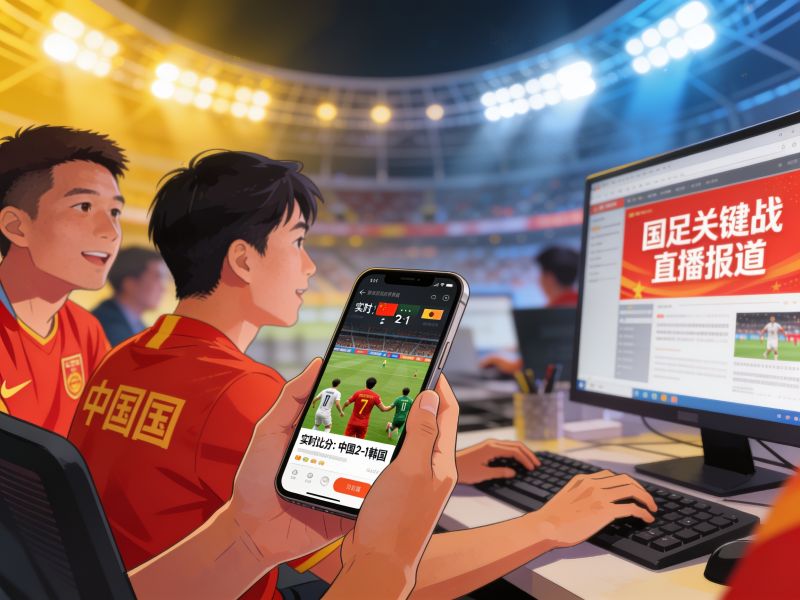
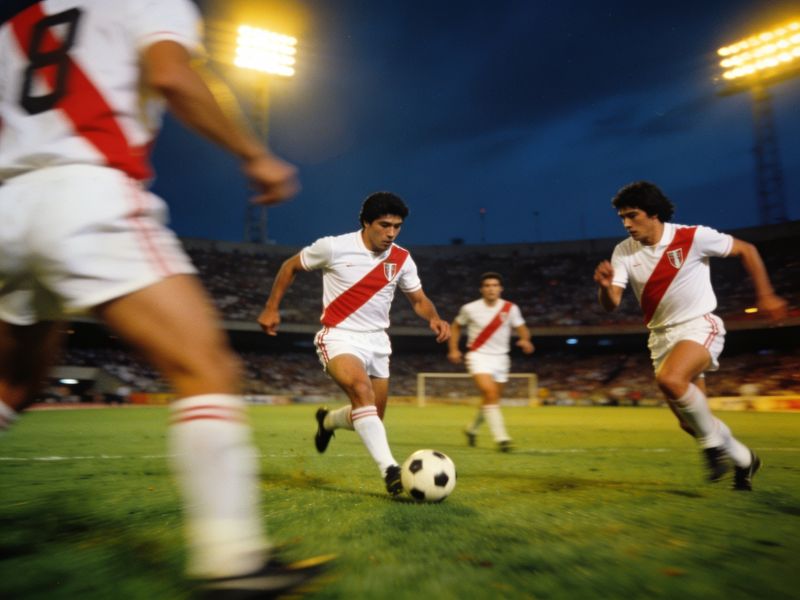
he Spanish jersey has moved far beyond the football pitch, becoming one of the most recognisable symbols in international sport. When Spain walks into a major tournament, the red shirt is usually the first image carried around the world. Its colour is immediate, loud and difficult to confuse with any other national kit. Supporters wear the Spanish jersey in stadiums, city squares and airport queues。while younger fans often pair it with trainers and denim rather than traditional football clothing. That shift says something about the shirt’s wider appeal. It is no longer reserved for match day. A Spanish jersey can signal family loyalty, regional memory or simple admiration for the country’s style of play. In Madrid, Barcelona and Seville, sports shops report strong interest whenever a new version appears, especially when a tournament creates fresh emotional momentum. The commercial success follows the emotion, but the emotion comes first.Design changes have repeatedly shaped the public reaction to the Spanish jersey. Some editions have leaned into deep crimson, while others have introduced sharper yellow details, geometric panels or retro references to earlier generations. Fans tend to remember the small details: the collar that recalls a famous final, the badge stitched at the centre of the chest, or the number style associated with a favourite midfielder. A recent Spanish jersey may look technically advanced, with lighter fabric and panels designed for ventilation, yet supporters often judge it through memory rather than performance. One collector in Valencia told a local sports retailer that his oldest shirt was faded almost pink after years of summer matches。
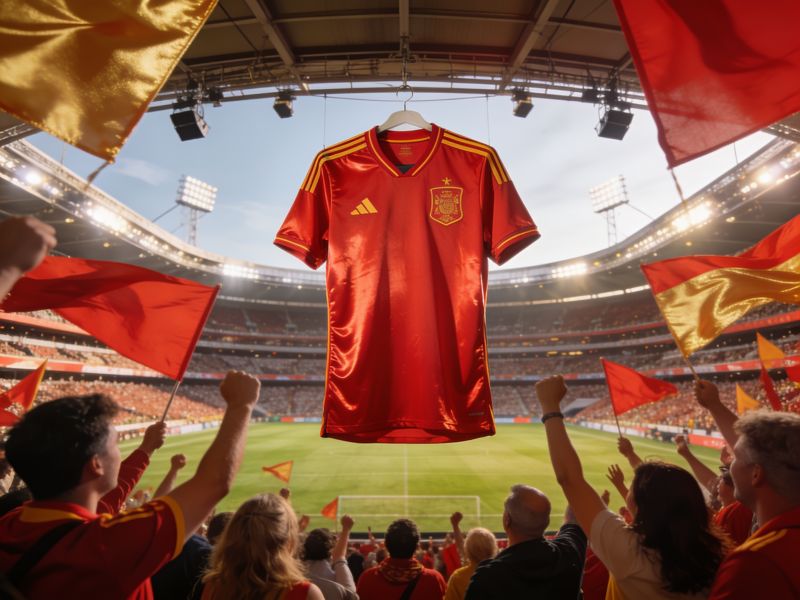
but he refused to replace it because it reminded him of watching Spain with his father. That kind of attachment cannot be created by advertising alone. It explains why every Spanish jersey launch attracts debate long before the players wear it in competition.Manufacturers have also turned the Spanish jersey into a test of commercial strategy. Replica shirts are now sold in several cuts, from slim player versions to looser designs aimed at casual supporters。and prices vary widely depending on fabric and official branding. A child’s Spanish jersey may be bought for a first tournament, while an authentic match version can become a collector’s item. Online resale markets show how quickly demand can rise after a dramatic victory or a breakout performance. The name printed on the back matters almost as much as the crest. A midfielder who controls a final can make his Spanish jersey sell out within days;a promising youngster can create the same effect among teenagers searching for a fresh hero. Clubs and retailers understand this cycle, often releasing limited collections to capture attention while interest is at its peak. Critics argue that constant redesign encourages unnecessary spending, but fans see the shirt as a wearable record of football history.The Spanish jersey has gained an additional audience through streetwear and social media. Images of players arriving at training in customised versions circulate quickly, and supporters recreate those looks with vintage shorts, oversized jackets and scarves. In cities outside Spain, the shirt often appears at viewing parties where few people speak Spanish but everyone recognises the colours. The national team’s style has helped that reach. Spain is associated with controlled passing, technical confidence and a certain calm under pressure, so the Spanish jersey carries more than a visual identity. It suggests a football philosophy. That impression is especially strong among young players who wear the shirt during practice, trying to imitate the quick movement and close control seen on television. There is a personal observation here: the most convincing shirts are rarely spotless. Creased fabric。worn sleeves and a small stain from a street game make a Spanish jersey feel lived in, not merely purchased.As tournament football becomes more global, the Spanish jersey will continue to balance heritage with experimentation. Designers must protect the familiar red while finding enough new detail to make each release feel distinct. Supporters, meanwhile, will keep arguing over which version is best。
often with the confidence reserved for family traditions. Some prefer a minimalist Spanish jersey with little decoration;others want gold trim, bold patterns and a stronger visual connection to a celebrated era. Both views can be right because the shirt serves different purposes. It is merchandise for a major sports organisation, but it is also a memory worn on the body. A Spanish jersey can recall a late-night goal, a child’s first stadium visit or a summer spent playing football in a public square. That mixture of business, design and emotion explains why the red shirt remains powerful long after the final whistle.